Table of Contents
- What Mobile Interior Repair for Vans Covers
- Van Seat Upholstery Repair: Materials and Common Damage
- How the Mobile Repair Process Works
- Cost of Van Interior Restoration: What Affects Pricing
- DIY vs Professional Van Interior Repair: When to Choose Each
- Commercial Fleet and End-of-Lease Vehicle Solutions
- Maintaining Van Interiors: Prevention and Longevity
- Frequently Asked Questions
Last Updated: October 4, 2026
What Mobile Interior Repair for Vans Covers
Mobile interior repair for vans is a specialised service that brings professional restoration directly to your vehicle, eliminating the need for costly trips to a garage. At TrimKings, we understand that van owners face unique challenges, commercial vehicles endure more wear and tear than standard cars, and downtime costs money.
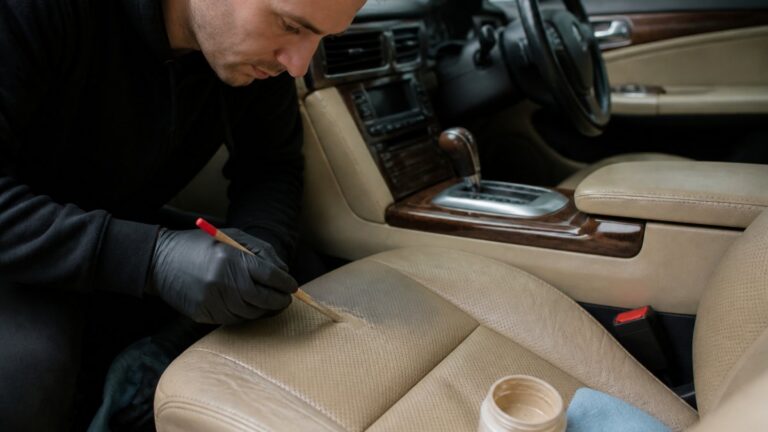
The scope of mobile interior repair for vans encompasses three primary areas: leather and vinyl restoration, seat foam and structural repairs, and dashboard and plastic trim damage. Each requires different techniques and materials, but all benefit from on-site assessment and repair. This approach saves time compared to traditional garage visits and often costs significantly less than replacement parts.
Leather and vinyl restoration
Leather and vinyl surfaces in vans deteriorate faster than in standard vehicles due to constant use, sun exposure, and temperature fluctuations. Cracks, fading, and discolouration are common problems that affect both the appearance and resale value of your van.
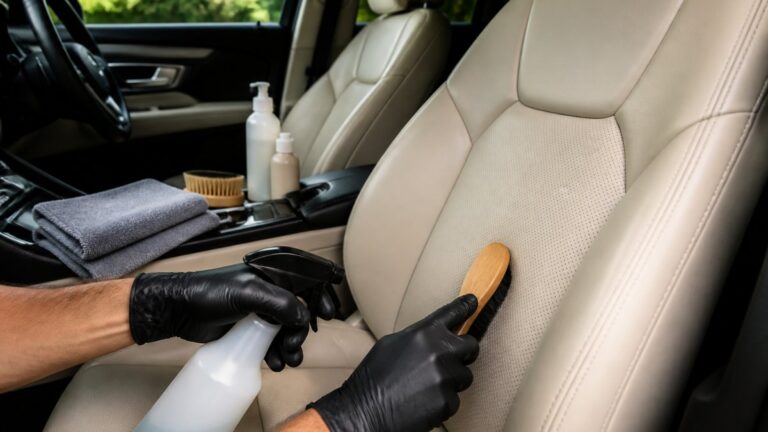
Professional restoration begins with identifying the type of material. Genuine leather requires different treatment than vinyl or synthetic alternatives. Once identified, the surface is cleaned thoroughly to remove dirt and grime that can mask the true extent of damage.
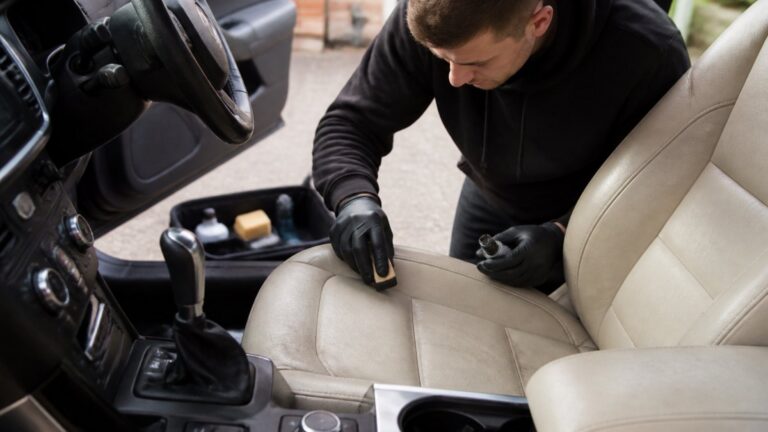
The advantage of professional colour matching cannot be overstated. DIY attempts often result in visible patches that stand out against the original material. Professional technicians use specialised equipment and experience to achieve seamless results.
Seat foam and structural repairs
Seat foam degrades when exposed to moisture, UV light, and constant pressure. Sagging seats, lumps, and collapsed foam compromise both comfort and the professional appearance of your vehicle.
Structural repairs involve assessing whether the foam can be resurfaced or requires replacement. Minor surface issues can be addressed through careful restoration. More severe damage may require foam injection or replacement. The choice depends on cost-effectiveness.
Dashboard and plastic trim damage
Dashboards and plastic trim accumulate cracks, scratches, and discolouration over time. These highly visible areas significantly impact the interior’s overall condition, particularly during end-of-lease inspections or resale.
Plastic welding is a specialised technique that fuses cracked plastic together, creating a seamless repair. Scratches are sanded smooth and refinished with colour-matched paint. For more severe damage, trim pieces can be replaced.
Van Seat Upholstery Repair: Materials and Common Damage
Van seat upholstery faces particular challenges because commercial vehicles experience higher mileage, more passenger turnover, and harsher conditions than personal cars. Understanding the materials and wear patterns helps you recognise when professional repair is needed.
Velour and fabric wear patterns
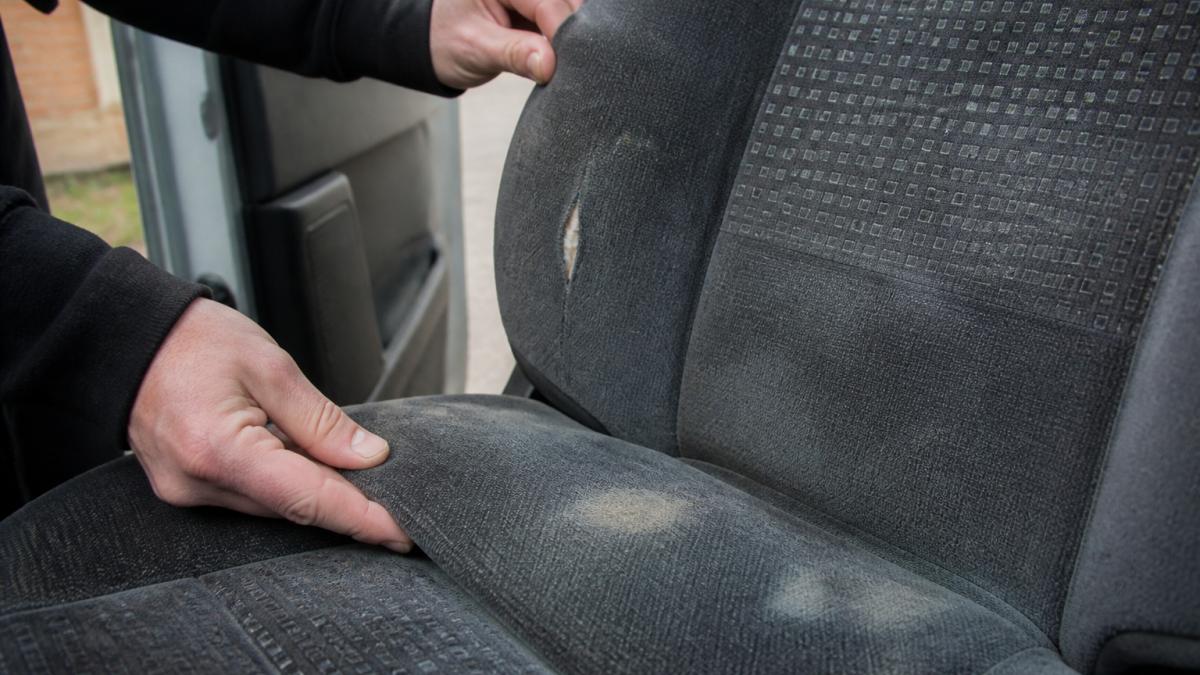
Velour is the most common upholstery material in vans because it’s durable and cost-effective. However, it’s also prone to specific wear patterns. High-traffic areas, particularly the driver’s seat and areas where passengers frequently sit, develop matting and shine from friction.
Colour fading occurs unevenly across seats, especially on surfaces exposed to direct sunlight. The top of seat backs and headrests fade noticeably while protected areas retain their original colour.
Pilling, the formation of small balls of fibre on the fabric surface, is another common issue. It results from friction and poor-quality maintenance. Professional restoration involves careful removal of pilling followed by colour restoration.
Scuff removal and burn repair
Scuffs and marks accumulate from passenger movement, cargo handling, and general use. These range from minor surface marks to deeper abrasions that expose the backing material. Professional scuff removal involves careful assessment of damage depth, targeted cleaning, and colour restoration where necessary.
Cigarette burns are a frequent issue in commercial vans. Small burns can be repaired by carefully removing the damaged fibre and filling the area with colour-matched material. Larger burns may require patching or localised reupholstering. The key to successful burn repair is matching the texture and colour of the original material so the repair is virtually invisible.
Colour matching and dyeing
Colour matching is where professional repair truly distinguishes itself from DIY attempts. Upholstery fades unevenly, and replacement fabrics often come from different dye lots, making exact matching impossible without professional techniques.
Professional technicians apply dyes or restoration products that blend seamlessly with existing upholstery. This process requires knowledge of how different materials accept colour, how light affects perception, and how to layer products for depth and accuracy.
How the Mobile Repair Process Works
The mobile repair process is designed for convenience and efficiency. Unlike traditional garage visits that require you to drop off your van and wait days for completion, mobile repair comes to you.
Assessment and quotation
The process begins with a detailed assessment of the damage. You provide photographs or describe the issue, and TrimKings provides an initial evaluation. For more complex damage, an in-person assessment may be necessary to provide an accurate quote.
During assessment, the technician evaluates damage extent, material type, and the most cost-effective repair approach. They discuss options with you. A transparent quotation follows, with no hidden costs or obligations.
On-site restoration
Once you approve the quote, the technician arrives at your location with specialised equipment and materials. Most repairs are completed on-site, allowing you to use your van immediately afterward. The duration depends on damage severity, minor repairs may take a few hours, while extensive restoration might require a full day.
On-site work minimises disruption to your business. For fleet operators, this means vehicles return to service quickly. For individual van owners, it means no inconvenient trips to a garage or extended rental periods.
Cost of Van Interior Restoration: What Affects Pricing
Several factors influence the cost of van interior restoration. Understanding these variables helps you evaluate whether repair or replacement makes economic sense.
Damage extent and material type
Superficial damage, minor scuffs, small burns, light discolouration, costs considerably less than structural repairs. Damage affecting large surface areas or requiring replacement of foam or filling materials increases cost proportionally.
Material type also affects pricing. Genuine leather restoration costs more than vinyl repair because leather requires specialised products and techniques. Velour fabric repairs fall between these extremes. Commercial-grade materials often cost more to repair than standard passenger vehicle upholstery because they’re engineered differently.
Repair versus replacement economics
This is where mobile repair often provides significant value. Replacement includes parts cost, labour, and potential complications with fitting.
Professional repair addresses the visible damage while preserving the original seat structure. For many situations, this represents better value than replacement. However, for severely damaged seats or where structural integrity is compromised, replacement may be the only viable option.
DIY vs Professional Van Interior Repair: When to Choose Each
The decision between DIY repair and professional service depends on damage severity, your skill level, and the importance of finish quality.
DIY approach: tools, skills, and realistic outcomes
DIY repair works for very minor damage, light scuffs, minor discolouration, or small tears in easily accessible areas. Basic tools like cleaning products, fine-grit sandpaper, and simple patching materials are inexpensive and readily available.
However, DIY repair has significant limitations. Colour matching is extremely difficult without professional equipment. Most DIY attempts result in visible patches that stand out against the original material. Fabric texture is challenging to replicate, a repair may be structurally sound but visibly different from surrounding upholstery.
Skills matter considerably. Improper technique can worsen damage. Aggressive sanding can damage underlying material. Incorrect adhesive application can cause repairs to fail. For commercial vehicles where professional appearance is important, DIY repair often creates more problems than it solves.
Professional advantages: colour matching and finish quality
Professional repair delivers results that are virtually indistinguishable from original material. Colour matching technology and access to specialised materials ensure seamless repairs. This matters particularly for lease vehicles, where end-of-lease inspections assess condition closely.
Professional technicians understand how different materials behave. They know which products work on specific fabrics, how to layer applications for depth, and how to match texture as well as colour.
For commercial fleet vehicles, professional repair maintains the professional image your business projects. Visible DIY patches undermine that image and potentially affect client perception.
Commercial Fleet and End-of-Lease Vehicle Solutions
Van interior condition directly impacts business image and resale value. Commercial fleet operators and lease holders have specific concerns that professional mobile repair addresses effectively.
Fleet maintenance and professional image
Commercial vehicles represent your business to clients and customers. Interior condition communicates professionalism or neglect. Professional fleet maintenance ensures vehicles present a consistent, polished image regardless of mileage or age.
Mobile repair services are particularly valuable for fleet operators because they minimise downtime. Rather than taking multiple vehicles to a garage simultaneously, mobile technicians work on vehicles at your location while they remain available for business use. This flexibility is essential for businesses that cannot afford extended vehicle downtime.
End-of-lease inspection preparation
Lease companies assess vehicle condition at lease end and charge for damage exceeding normal wear and tear. Professional interior repair before lease termination often costs significantly less than paying lease-end charges. A technician can assess your vehicle against lease company standards and address issues that would otherwise result in penalties.
This is particularly important for commercial vehicles, where the definition of “normal wear and tear” is stricter than for personal use vehicles. Professional assessment and repair ensures your vehicle meets lease return standards.
Maintaining Van Interiors: Prevention and Longevity
Preventative maintenance extends the lifespan of van interiors and reduces the need for expensive repairs.
Regular cleaning removes dirt and grime that accumulate and cause material degradation. Leather and vinyl benefit from periodic conditioning to prevent cracking and fading.
Sun protection is critical for vehicles parked outdoors. Window shades or parking in covered areas reduce UV exposure that causes fading and material deterioration.
Address minor damage promptly. Small tears worsen rapidly with continued use. Minor scuffs become more visible over time.
Professional mobile interior repair for vans delivers convenience, cost-effectiveness, and results that DIY approaches cannot match.
| Repair Type | Best For | Typical Approach |
|---|---|---|
| Leather and vinyl restoration | Fading, cracks, discolouration | Cleaning, sealing, colour matching, protective coating |
| Seat foam repair | Sagging, lumps, collapsed cushioning | Assessment, foam injection or replacement, reupholstering |
| Dashboard and trim damage | Cracks, scratches, broken pieces | Plastic welding, sanding, refinishing, replacement |
| Scuff and burn repair | Surface damage, cigarette burns | Damage removal, colour matching, filling, blending |
| Fabric upholstery restoration | Pilling, wear, stains, tears | Cleaning, pilling removal, colour restoration, patching |
According to the UK’s Consumer Rights Act 2015, goods and services must be of satisfactory quality and fit for purpose, which applies to vehicle interior repair services.
Research into vehicle maintenance practices shows that addressing interior damage early prevents more expensive repairs later. The Institute of the Motor Industry guidance on vehicle care emphasises that regular maintenance and prompt repair extend vehicle lifespan and maintain resale value.
For commercial fleet operators, the Health and Safety Executive guidance on vehicle maintenance outlines responsibilities for maintaining vehicles in safe, professional condition.
Frequently Asked Questions
Can you repair rips and tears in van seats?
Professional mobile interior repair services can restore rips and tears in van seats using advanced stitching techniques and material-matching methods. Small tears in fabric or vinyl are often fully repairable, while larger damage may require panel replacement or patching depending on the location and material. The technician assesses the damage on-site and advises whether repair or replacement offers better value for your specific situation.
Is mobile interior repair cheaper than replacing van upholstery?
Repair addresses specific damage areas rather than replacing entire panels or seats. Pricing depends on damage extent, material type, and repair complexity. For a competitive quote tailored to your van’s condition, contact a professional service provider directly with photos of the damage.
How does DIY van interior repair compare to professional restoration?
DIY repairs work for very minor scuffs using basic kits, but professional van interior repair delivers results through colour matching, proper material treatment, and expert finishing. For lease vehicles or commercial fleets where appearance matters, professional restoration is the safer choice to avoid penalty charges or damage to company image.
How long does a typical mobile van interior repair take?
Most mobile repairs complete on-site within a few hours, depending on damage complexity. Simple repairs like small tear stitching or scuff removal may take 1-2 hours, while extensive restoration work could require a full day. The technician confirms the timeframe during the quotation phase, allowing you to plan your schedule. This on-site service means minimal disruption compared to leaving your van at a workshop for days.