Table of Contents
- Why Mobile Upholstery Repair Matters for Fleet Operations
- Fleet Vehicle Seat Repair: Common Damage and Solutions
- Commercial Vehicle Upholstery Repair: Workflow and Scheduling
- Car Seat Upholstery Repair Cost: Budget Planning for Fleets
- Mobile Car Upholstery Repair: Materials and Customisation
- Fleet-Specific Interior Restoration: Beyond Seat Repair
- Service Area Coverage and Vehicle Types Supported
- Frequently Asked Questions
Last Updated: October 9, 2026
Why Mobile Upholstery Repair Matters for Fleet Operations
Mobile upholstery repair for fleets keeps vehicles looking professional without the downtime of traditional garage repairs.
Fleet vehicles take a beating: drivers slide in and out of seats thousands of times per year, passengers spill coffee and lean against door panels, and leather cracks, fabric frays and foam deteriorates.
When a client steps into your vehicle and sees ripped upholstery or stained seats, they make assumptions about your professionalism and attention to detail, and that first impression is hard to recover from.
The financial case is equally compelling: replacing entire seats or interior panels runs into thousands of pounds, while repairing the damage costs a fraction of that.
Fleet Vehicle Seat Repair: Common Damage and Solutions
Commercial vehicle seats endure pressures private car seats rarely face. Knowing the most common damage types helps you prioritise repairs and budget accordingly.
Cigarette Burns and Scuffs
Cigarette burns create small, dark holes in fabric or leather, and are among the most common cosmetic damage issues in commercial fleets, particularly vans and coaches where drivers or passengers smoke during shifts or breaks.
A single burn hole might seem minor, but it signals neglect, and multiple burns suggest poor maintenance standards. Scuffs, the surface marks and discolouration from contact with clothing, bags or tools, accumulate the same way, creating a worn appearance that affects customer perception.
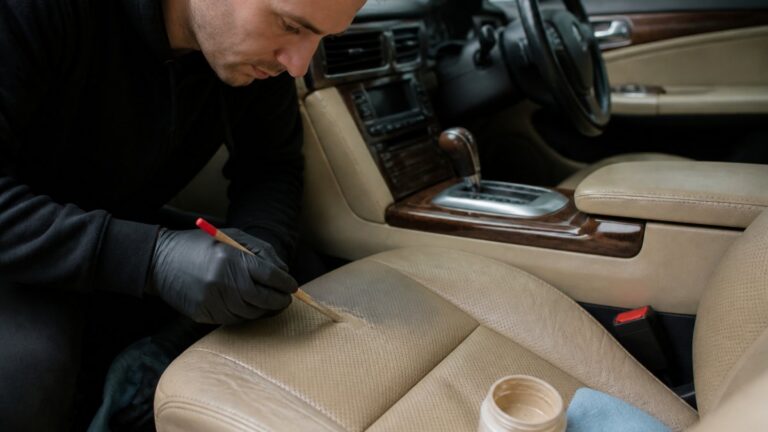
Mobile technicians address both without seat removal: burns are trimmed, blended and integrated with matching material, while scuffs are cleaned, treated and refinished. Colour matching is key, because a repair that looks different from the surrounding upholstery draws attention rather than concealing damage.
Ripped Seams and Torn Upholstery
Seams fail when repeated stress exceeds the thread’s strength, and a small split at a seam edge widens quickly on high-traffic seats where passengers sit and stand repeatedly. Larger tears in fabric or leather need more complex repairs.
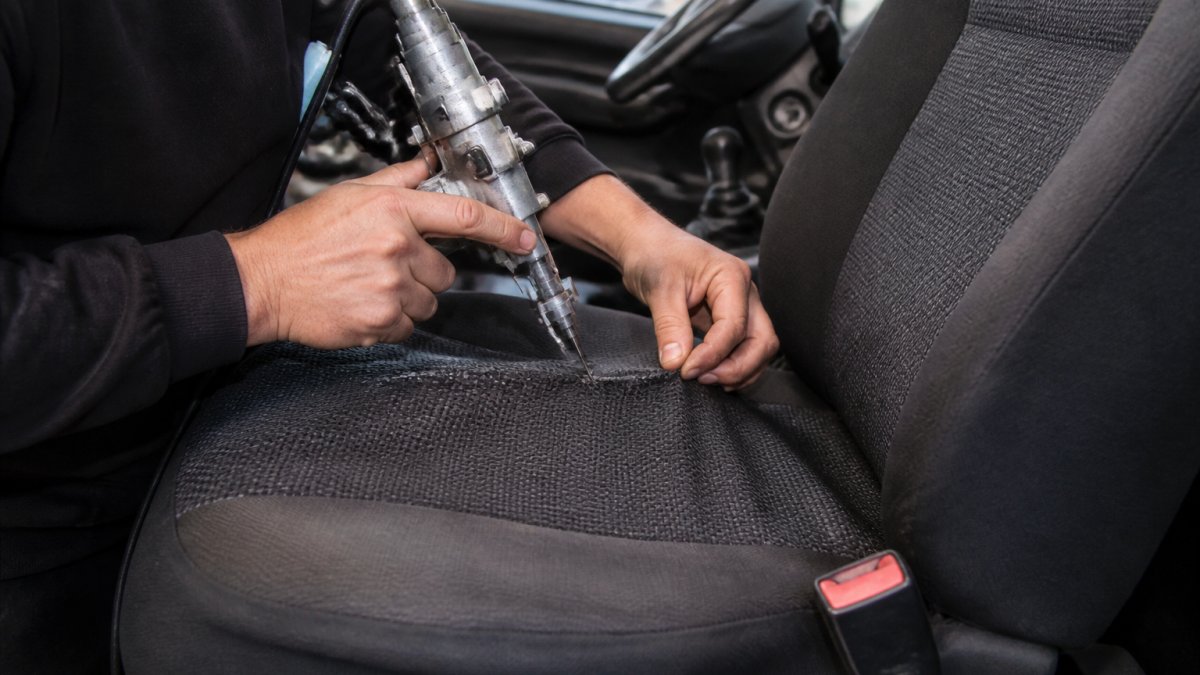
Seam repair means re-stitching with thread matched to the original colour and material type: the technician removes frayed edges, aligns the material precisely and uses specialised stitching equipment so the repair blends with the original seams.
Damage often extends beyond the visible tear: foam underneath may be compressed or deteriorated, and if it isn’t addressed the material tears again in the same place within weeks. Professional mobile repair assesses and replaces foam where necessary so the repair holds under continued use.
Sagging Seats and Foam Deterioration
Sagging occurs when the foam under the upholstery compresses permanently, and it happens faster in fleet vehicles because of sheer volume of use: a driver seat used across multiple shifts experiences far more compression cycles than a private car seat.
Sagging affects comfort and appearance: passengers notice immediately when a seat doesn’t support them, and the visual slump makes the interior look neglected.
Mobile repair for sagging seats removes the old foam, assesses the seat frame for damage and installs new high-density foam matched to the original specifications. Durable foam is essential for commercial fleets, since cheaper foam sags again within months.
Commercial Vehicle Upholstery Repair: Workflow and Scheduling
Mobile repair success depends on efficient scheduling and clear communication between your fleet team and the technician. Unlike garage repairs where you drop the vehicle off and wait days, mobile service requires coordination.
On-Site Assessment and Triage
The process begins with a detailed assessment: the technician inspects each damaged area, documents the extent and identifies what’s repairable versus what needs replacement. For operators with multiple vehicles, this triage determines which repairs can be completed on-site and which require return visits.
A photo-based initial assessment accelerates this: send clear photos of the damage and the technician provides a preliminary evaluation and quote without a site visit, saving time on minor repairs and letting you prioritise which vehicles need attention first.
On-site assessment also identifies hidden damage: a technician examining a torn seat may find a cracked frame, deteriorated foam or an underlying structure needing repair. Comprehensive assessment prevents incomplete repairs that fail quickly.
Repair Prioritisation for Multiple Vehicles
With commercial fleets you’re often juggling multiple vehicles with varying damage. Prioritisation depends on which are customer-facing, which are due for lease returns, which cause the most complaints, and which repairs offer the fastest turnaround.
Customer-facing vehicles, used for client meetings, high-profile deliveries or passenger transport, come first: a taxi or coach with visible interior damage creates an immediate negative impression. Lease return vehicles also warrant priority when the lease end date approaches and damage penalties loom.
Scheduling works best when you batch similar repairs: five vans with cigarette burn damage can be completed in a single visit or two consecutive days, whereas mixing repair types across vehicles extends the timeline.
Car Seat Upholstery Repair Cost: Budget Planning for Fleets
Cost is the primary driver for repair versus replacement decisions. Understanding the financial case helps you budget effectively and communicate value to stakeholders.
Repair vs. Replacement: The Financial Case
Headliner, door-panel and dashboard replacement add further costs.
Repair costs vary by damage type and extent.
Timeline matters financially too: a replacement part may take weeks to source and install, while mobile repair is often completed within days, keeping vehicles operational and revenue-generating sooner.
Preventive Maintenance and Damage Reduction
The most cost-effective approach combines repairs with preventive maintenance: regular interior inspections catch small damage before it worsens, and a small tear addressed immediately costs far less than the same tear left for six months to expand and deteriorate surrounding material.
Protective measures reduce damage rates: seat covers protect high-wear areas, dashboard protectants reduce sun damage and cracking, and regular cleaning prevents staining and material degradation. These preventive investments often pay for themselves through reduced repair costs.
Driver training also matters: teaching drivers to use seats correctly, avoid eating or smoking where possible and report damage promptly prevents small issues becoming major repairs, and a culture of vehicle care significantly reduces interior damage.
Mobile Car Upholstery Repair: Materials and Customisation
Material selection determines both the appearance and durability of repairs. Mobile technicians work with various materials to match your fleet’s existing upholstery.
Leather vs. Fabric Upholstery
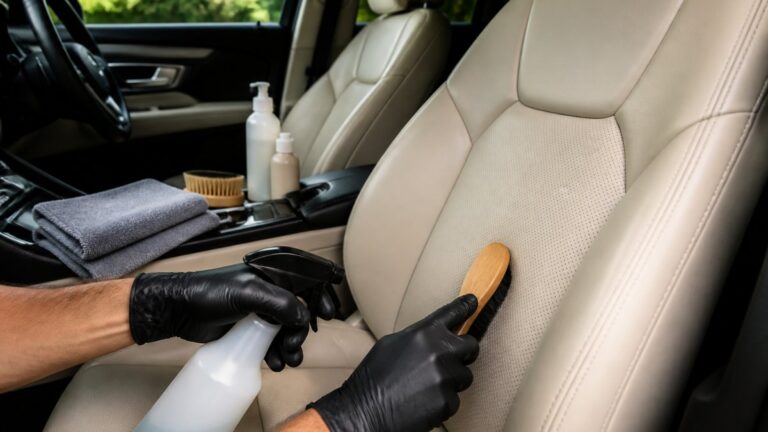
Leather is common in premium and commercial vehicles: durable, easy to clean and professional in appearance. Repair involves careful colour matching, texture replication and sometimes grain pattern restoration, and damaged leather can be patched, refinished or completely re-covered depending on the extent of damage.
Fabric upholstery is more common in budget commercial vehicles and some vans. Repairs involve patching with matching material, re-stitching seams and sometimes dyeing to blend the repair.
The choice between leather and fabric depends on your fleet’s image and budget: leather projects a more professional image but costs more to repair and maintain, while fabric is more economical and practical for high-use commercial vehicles where damage is frequent.
Colour Matching and Seamless Restoration
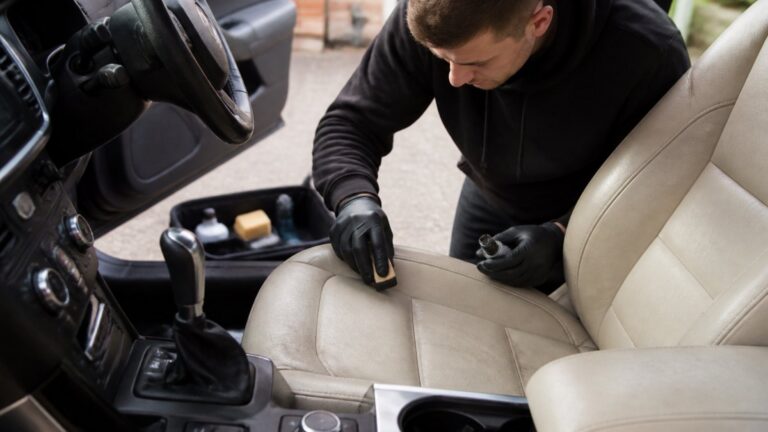
Colour matching is the difference between an invisible repair and an obvious patch job. For seamless colour matching, matching material or dye is used, eliminating guesswork and ensuring repairs blend seamlessly.
For leather, colour matching means selecting dyes that replicate the original shade and tone, applied carefully in layers. For fabric, matching material is sourced from suppliers stocking hundreds of colours and patterns, or the repair area is dyed to match.
Texture matching is equally important: leather has a grain pattern, fabric has a weave or pile direction, and a skilled technician replicates these details so the repair is invisible even under close inspection. That craftsmanship separates professional mobile repair from DIY attempts.
Fleet-Specific Interior Restoration: Beyond Seat Repair
Commercial vehicle interiors include more than seats. Headliners, door panels, dashboards, and trim all deteriorate and require restoration.
Headliner and Door-Panel Repairs
Headliners, the fabric covering the interior ceiling, are prone to sagging and staining in commercial vehicles. Moisture, heat, and age cause the adhesive to fail, and the fabric sags downward. Stains from water damage, smoke, or spills accumulate over years of use.
Headliner repair removes the damaged fabric, cleans or replaces the backing material and installs new fabric matched to the original colour. It’s labour-intensive but far cheaper than factory replacement, and dramatically restores a vehicle’s interior appearance.
Door panels experience similar wear: stains, scuffs and damage from door handles and passenger contact are common. Repair includes cleaning, dyeing, patching or re-covering with matching material, transforming the interior appearance without the cost of replacement.
Dashboard and Trim Customisation
Dashboards crack from sun exposure and heat cycling. Cracks in dashboard plastic are difficult to repair invisibly, but professional techniques can fill, sand smooth and refinish to match the original appearance. Some fleet operators prefer dashboard customisation, adding protective overlays or changing the colour, to repair.
Trim pieces, door handles, armrests, steering wheel covers, and accent panels, deteriorate with use. Some can be repaired; others are more cost-effective to replace. Mobile technicians can assess which approach suits your fleet and budget.
Service Area Coverage and Vehicle Types Supported
Mobile upholstery repair serves many vehicles, each with unique requirements.
Cars, Vans, Buses, and Coaches
Passenger cars are the most straightforward: seats are accessible, materials standardised and repairs relatively quick. Vans vary more, with different seat designs and confined spaces requiring careful planning. Buses and coaches have multiple rows and complex layouts, making repairs more time-consuming but still feasible on-site.
Each vehicle type requires different expertise: repairing a luxury car’s leather seats demands different skills than a coach’s fabric seating for dozens of passengers. Professional mobile services maintain expertise across all vehicle types.
Caravans, Motorhomes, and Specialist Vehicles
Caravans and motorhomes have upholstery exposed to constant wear, vibration during travel, condensation and UV damage from windows, so repairs often address underlying structural issues, not just upholstery.
Specialist vehicles, emergency service vehicles, mobile clinics, or custom-built commercial vehicles, have unique upholstery requirements. Mobile technicians experienced with diverse vehicle types can handle these specialised repairs.
Fleet vehicles demand professional interior maintenance to preserve appearance and value.
Mobile upholstery repair for fleets brings expert restoration directly to your depot or workplace, eliminating downtime and reducing costs compared to garage repairs or component replacement. TrimKings specialises in fleet interior restoration across vans, buses, coaches and specialist vehicles.
To get started, send us photos of the damage you need addressed. We’ll provide a competitive, no-obligation quote and schedule repairs that fit your fleet’s operational needs.
Frequently Asked Questions
Can cigarette burns and scuffs really be repaired in fleet vehicle upholstery?
Yes. Cigarette burns and scuffs are among the most common fleet damage types and respond well to professional repair. Technicians assess the depth of the burn, remove scorched material, and blend the repair using colour-matched upholstery compound or patch material. For fabric, small burns can be sealed; for leather, the damaged area is carefully refinished. Mobile repair services can handle these on-site, avoiding downtime and the cost of full seat replacement.
How much does fleet car upholstery repair cost compared to replacement?
Repair can be a cost-effective alternative to full replacement, depending on damage extent and vehicle type. A single torn seam or burn repair costs significantly less than replacing an entire seat or interior panel. Fleet operators can benefit from servicing multiple vehicles at one location. For exact pricing, contact your service provider with photos of the damage. Budget planning should account for preventive maintenance to reduce costly damage over time.
How long does mobile car upholstery repair take for a fleet vehicle?
Mobile technicians work on-site, so your vehicles return to service quickly without transport delays. For fleet operations with multiple vehicles, scheduling repairs in batches at a depot or workplace minimises overall downtime and maximises efficiency.
What types of upholstery damage can be repaired in a fleet vehicle?
Professional mobile repair covers seat damage (rips, tears, sagging, worn padding), cigarette burns and scuffs, seam and stitching failures, headliner damage, door-panel wear, dashboard scuffs, and custom interior restoration. Leather and fabric upholstery can both be restored with colour matching and refinishing. Most cosmetic and structural damage is repairable on-site. More severe frame damage or complete interior replacement may require workshop assessment, but the majority of fleet wear can be addressed through mobile service.